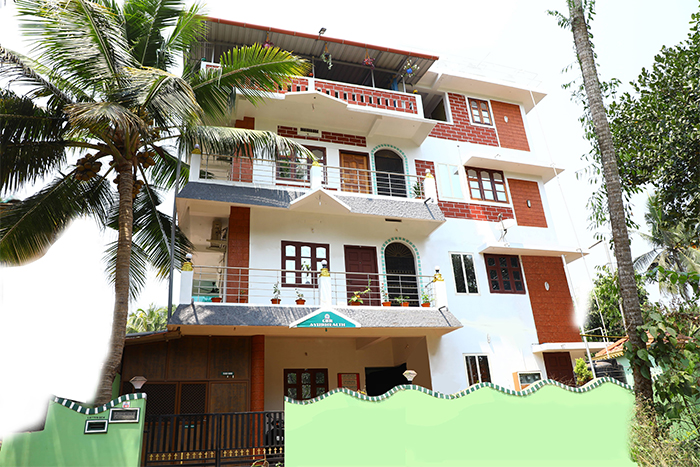

CBR Ayurhealth Study & Treatment Centre was started a few years back in Goa and Mysore. Later in 2003 the firm was established in Kannur, North Kerala, South India with the aim to provide a comprehensive professional training for those aspirants of yoga, Ayurveda massage, Panchakarma therapy and Kalari marma massage. The Founder Director of the centre, Sri. C. Baburaj hails from traditional Ayurveda family..
Ayurveda is a holistic healing science which comprises of two words, Ayu and Veda. Ayu means life and Veda means knowledge or science. So the literal meaning of the word Ayurveda is the science of life..
CBR Ayurhealth
Near Mookambika Temple
Ambika Road,Pallikkunnu[P.O]
Kannur district,
NorthKerala,SouthIndia
Pin 670004

Phone:+91 9747449293
Email:
babus3939@gmail.com

Ayurveda is a holistic healing science which means Science of Life. It treats man as a whole - which is a combination of body, mind and soul. It tells us how to achieve longevity and live a life that is free of diseases.
read more
Ayurveda means ‘Science of Life’. It deals with each and every aspect of human life. CBR helps you to gain this science by offering various full-time and part time courses in Ayurveda, Panchakarma, Yoga..
read more
The word yoga means unity or oneness. Yoga is neither an exercise nor a therapeutic science.It is a way of life through which body, mind and spirit can be purified and strengthened...
read more
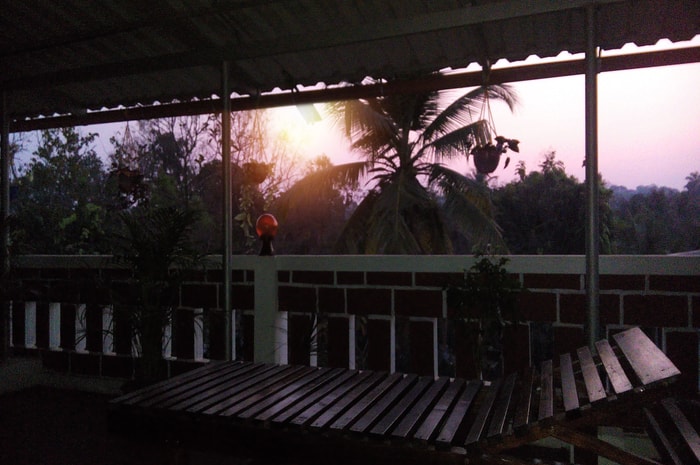
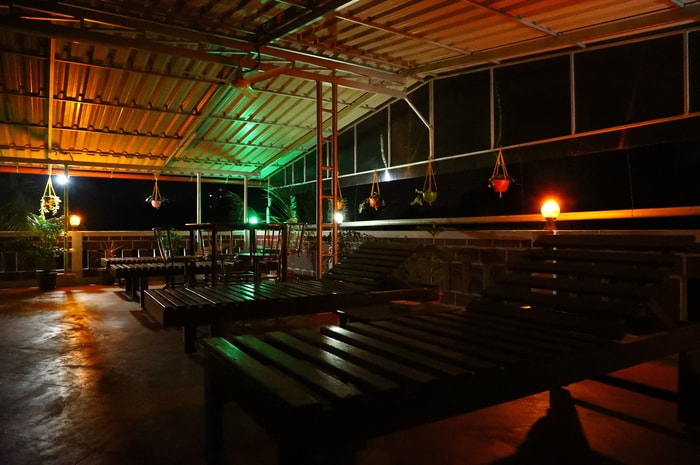
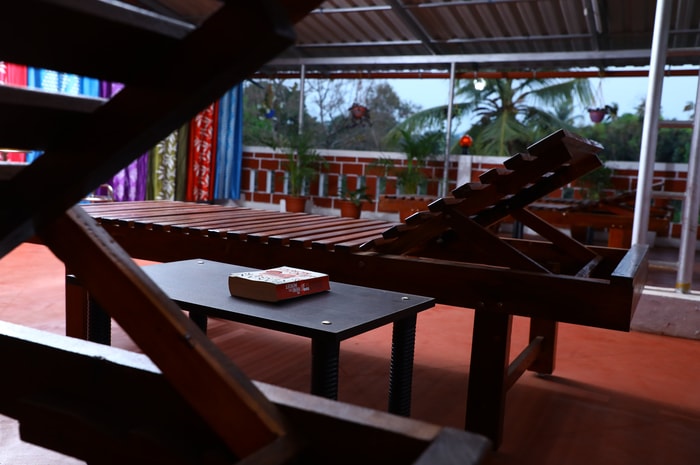
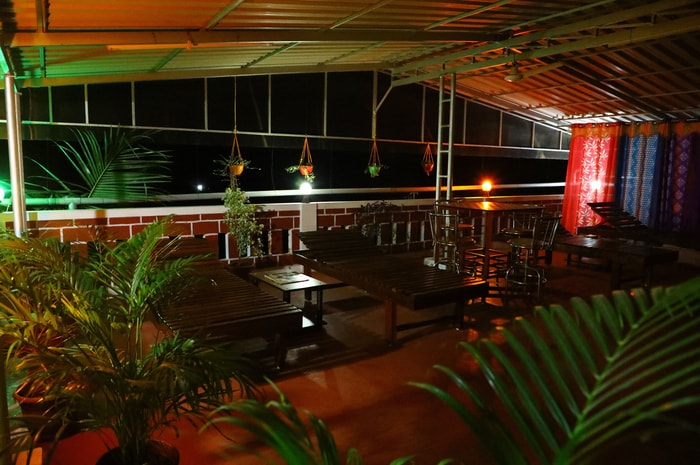
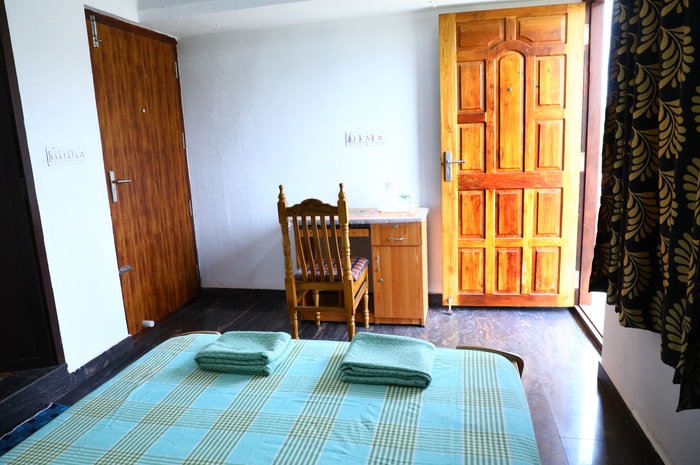
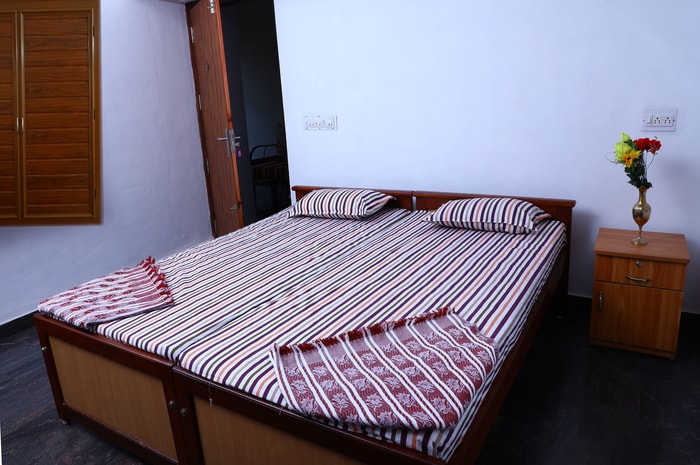
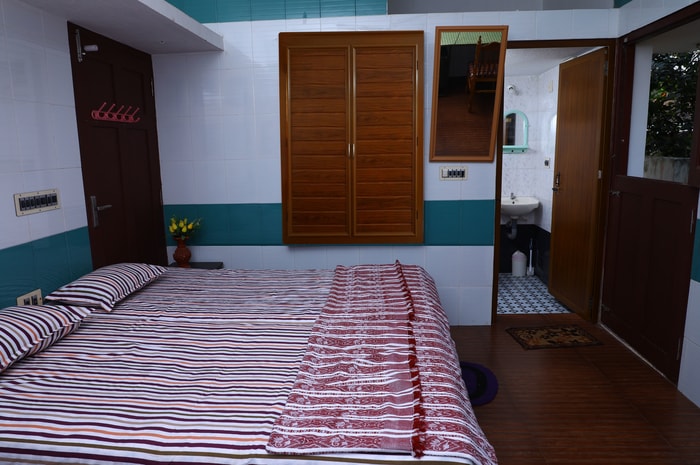
Our Home stay gives you an opportunity to enjoy nature and homely atmosphere with finest of accommodation available in the city, thereby enjoying a great exciting holiday in Kannur.
read more |
Unlock Moto Z2 Force...Read more... |
 |
my workshop ...Read more... |